Titanium-based lead dioxide Anode
Wiki Article
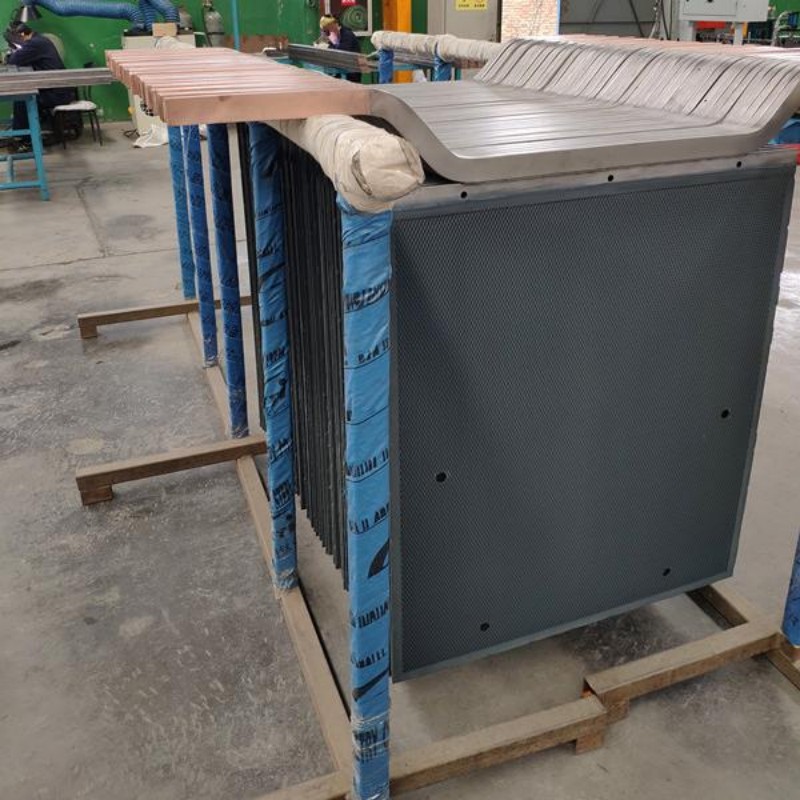
Titanium-based lead dioxide anode (often written as Ti/PbO₂) is an insoluble anode that combines the strength of titanium with the catalytic properties of lead dioxide. It has unique advantages in highly corrosive environments and in efficient electrochemical oxidation.
Structural Design: Multi-layer Compositeness is Key
The titanium-based lead dioxide anode is not a simple coating, but rather a "sandwich" structure:
- Titanium matrix: Provides mechanical strength support.
- Intermediate bonding layer: To prevent the titanium surface from oxidizing during electrolysis and forming an insulating TiO₂ passivation film that leads to failure, a pre-coated intermediate layer such as tin-sulfide lead dioxide coated titanium anode for electrowinning oxide, platinum group metal oxide, or tantalum will be applied. This is the core for the long lifespan of the electrode.
- Surface active layer (PbO₂): The actual functional layer, divided into α-PbO₂ and β-PbO₂, is usually used in combination to optimize performance.